
修正涉及中華民國來源所得認定原則,以及外國營利事業在跨境銷售電子勞務方面的課稅要點。

修正涉及中華民國來源所得認定原則,以及外國營利事業在跨境銷售電子勞務方面的課稅要點。 112年10月13日頒布台財稅字第11204568350號至11204568352號修正命令,修正了《所得稅法第八條規定中華民國來源所得認定原則》中的第5條、《外國營利事業跨境銷售電子勞務課徵所得稅作業要點》以及台財稅字第10604704390號命令中有關外國營利事業跨境銷售電子勞務課徵所得稅規定的第6點。其中包括允許外國營利事業申請減除相關收入的成本和費用,計算淨收入,以及將跨境銷售電子勞務的申請淨利率和境內貢獻程度的退稅期限從5年延長至10年。此修正自即日起生效,修正後的規定如下列所示。 《所得稅法第八條規定中華民國來源所得認定原則》第十五點修正規定 十五、非中華民國境內居住之個人或總機構在中華民國境外之營利事業.取得本法第八條規定之中華民國來源所得,依本法規定申報納稅或由扣繳義務人於給付時依規定之扣繳率扣繳稅款。在中華民國境内無固定營業場所及營業代理入之外國營利事業.其有本法第八條第三款規定之務報酬、第五款規定之租賃所得、第九款規定之營業利潤、第十款規定之、競賽、機會中獎之獎金或給與或第十一款規定之其他收益者·應由扣繳義務人於給付時按給付額依規定之扣繳率扣繳稅款。惟該外國營利事業得自取得收入之日起算十年內,委託中華民國境內之個人或有固定營業場所之營利事業為代理人,向扣繳義務人所在地之稽徵機關申請減除上開收入之相關成本、費用,重行計算所得額。稽徵機關可依據該外國營利事業提示之相關帳簿、文據或其委會計師之查核簽證報告,核實計算其所得額.並退還繳之扣繳稅款。 本原則一百十二年十月十三日修正生效時,依修正生效前之本點規定,尚未逾五年申請期間者適用第二項規定: 已逾期者,仍適用修正生效前之規定。 《外國營利事業跨境銷售電子勞務課徵所得稅作業要點》第十點修正規定 十、申請重行計算應扣繳稅款規定如下:(一)自一百零六年度起.外國營利事業跨境銷售電子勞務已被扣繳之稅款與依第四點及第六點規定經稽徵機關核定之實際所得額或淨利率、境內利潤貢獻程度或轉付比率計算之應扣繳稅款不同.致有溢繳之扣繳稅款者,得自取得收入之日起算十年內按扣繳義務人所在地之轄區國稅局分別彙總自行或委代理人向應受理稽徵機關申請,並由應受理稽徵機關轉由各該轄區國稅局辦理退還溢扣繳稅款。(二)本要點一百十二年十月十三日修正生效時,依修正生效前之本點規定,尚未五年申請期間者,適用前款規定;已逾期者,仍適用修正生效前之規定。 外國營利事業跨境銷售電子勞務課徵所得稅規定第六點修正規定 六、申請重行計算應扣繳稅款定如下:(一)自106年度起.外國營利事業跨境銷售電子勞務已被扣繳之稅款與依第3點至前點規定經稽徵機關核定之實際所得額或淨利率、境內利潤貢獻程度或轉付比率計算之應扣繳稅款不同,致有溢繳之扣繳稅款者,得自取得收入之日起算10年內,自行或委代理人,向稽徵機關申請退還。(二)本令112年10月13日修正生效時,依修正生效前之本點規定.尚未逾5年申請期間者,適用前款規定;已期者,仍適用修正生效前之規定。 財政部為遵循行政程序法第131條第1項「公法上之請求權,於請求權人為行政機關時,除法律另有規定外,因五年間不行使而消滅 : 於請求權人為人民時除法律另有規定外,因十年間不行使而消滅。」之規定,於近期內爱有將各種租稅優惠之申請期限有5年延長為10年之動作,茲整理如下表 :
CFC新稅制告別「免稅天堂」

CFC新稅制告別「免稅天堂」 2023/11/28 文 : 蔡哲明 全球為了積極打擊跨國企業避稅祭出受控外國公司(CFC)法制,素有「租稅天堂」之稱的英屬維京群島 (BVI)等地紛紛已被歐盟列入稅務不合作國家黑名單,臺灣已於今年開始實施且在明年五月正式申報,未來企業利用境外註冊公司或作海外投資,恐怕一切資訊都將完整揭露,稅法改制之下難以逃避繳稅,也讓「免稅天堂」正式走入歷史。臺商過去透過境外公司進行「三角貿易」促成避稅,掌握利潤留在境外公司,這類稅務操作未經申報將被認定「逃稅」,CFC新稅上路後將以「預先課稅」課徵境外公司以股利形式分配盈餘,政府機關擔憂企業出走設有豁免條款,財政部表示CFC新稅制不會溯及既往;此一稅制並非加稅措施,僅為提前課稅制度,將當年度盈餘視同分配,還能避免重複課稅,當獲配CFC股利時也不計入所得課稅。 利安達平和聯合會計師事務所 吳明儀會計師認為CFC將會考驗政府查稅能力,如何查核民眾或企業的海外所得,透過共同申報準則才能調閱資料(Common Reporting Standard, CRS),目前僅有日本、澳洲及英國等三個國家與臺灣有CSR,政府如何得到境外公司帳戶資料已經成為嚴厲挑戰;政府除了CRS金融帳戶可做查詢,國稅局也能連結網站確認國內外上市公司或公司登記、經濟部投審會以及國內銀行中的國際金融業務分行(OBU)中的客戶認證(KYC)相關資料驗證,達到CFC新稅制效益。 吳明儀會計師指出CFC新稅制影響企業財務規劃考量,由於未制定前允許透過第三地赴中國投資,企業(含個人)普遍選擇在租稅天堂設立境外公司,以此當作投資公司操盤海外基金等投資行為,甚至當作控股公司持有實質營運的子公司股權。營利事業及個人CFC制度的誕生就是為了防堵公然逃稅,只要符合CFC的客觀條件即便視為海外盈餘不分配也可能視同分配課稅。 舉例而言,CFC新稅制上路之後,投資控股公司在租稅天堂(代稱公司甲),投資金融商品且獲配股利等孳息所得,即便沒有分配回到我國個人或公司股東,我國政府依舊可以針對所得課稅。另一分面,公司甲持有實質營運的子公司(代稱公司乙),分配盈餘保留在租稅天堂且不分配回到我國個人或公司股東,我國政府同樣有權針對該盈餘課稅。 吳明儀會計師提醒面臨CFC制度新法為求因應可先備妥「財務報表」,政府除了已經發佈「營利事業認列受控外國企業所得適用辦法之修正草案」,另外近期修正「個人計算受控外國企業所得適用辦法之修正草案」,導致當年度盈餘計算方式複雜化,尤其是在境外從事金融商品操作的個人。 以個人CFC而言,將從四大方向調整當年度盈餘計算方式,並從明年五月進行所得申報,相關修改重點分析如下: 金融工具FVPL 個人持有CFC若是透過「公允價值衡量的金融工具(FVPL)」作為損益基準,個人必須於處分或重分時以實現數列為CFC當年度盈餘加減項,於2022年12月31日前取得者,原始取得成本以此時限帳面價值認定。 採權益法認列 CFC轉投資的低稅負區公司處分非低稅負區採權益法認列轉投資事業股權,即便組織架構重組,處分時帳面價值與原始取得成本差額,同樣需計入CFC當年度盈餘。 當年度稅後純益(含以外) CFC當年度盈餘基準修正為稅後純益(含稅後純益以外)項目計入當年度未分配盈餘項目,處分子公司股權但未喪失控制力等,避免遺漏未透過其他綜合損益,相關權益都將直接計入保留盈餘類目。 外國貨幣記帳法則 CFC當年度盈餘組成項目若以外國貨幣繳納,盈餘股利實際獲取日與當年度計算盈餘的匯率差異呈現正數,就會列為個人基本所得額加項,如為負數則由個人基本所得額扣除且以扣除至零為限。 以企業CFC而言,將從「未實現評價損益」概念調整,包含股票、債券、基金等放寬稅基認定將有條件排除按公允價值評價(不會全數列入損益表的金融資產評估之中),可延展到實際處分時再計入獲利課稅。政策調整項目將會提高CFC持有特定金融資產,依照公允價值衡量產生之「金融資產評價損益」,例如股票等因未實現金融資產評價損益,因已計入CFC稅後淨利,既然尚未實際處分便無現金可供分配,未來有望等到實際處分,再以回朔納入相關處分損益。 舉例來說,CFC公司持有一檔股票(代稱公司丙),年初購入價格1000元,年底價格飆漲10000元,但丙公司既未賣出就無9000元的獲利而無法分配,可以延後納入CFC當年度盈餘計算。金融資產實際處分損益如何加回CFC當年度盈餘,需以相關處分損益計算基礎為主,由於考量CFC制度是112年度生效,應採特定金融資產何時登入成本為主,已實現處分損益計算,實際出售數字減除112年度期初帳面金額,符合法規生效日期又不朔及既往的立法精神。 吳明儀會計師認為CFC新稅制讓「免稅天堂」走入歷史,「三角貿易」的避稅戰法難以運用,從個人到企業的CFC新稅制效益,已將海外盈餘完璧歸趙,個人或者企業務必備妥「財務報表」因應;政府已將個人與企業CFC微調,目的在於透過放鬆策略微調收緊政策,既能杜絕逃稅歪風,還能不失民心。
Tax Reduction through Investment of Undistributed Earnings

Tax Reduction through Investment of Undistributed Earnings 30 March 2023 According to Article 23-3 of the Industrial Innovation Act and its subordinate regulations, for-profit businesses can deduct undistributed earnings invested in the construction or acquisition of buildings, hardware and software equipment, or technology used for self-production or business purposes, as long as the actual expenditure reaches 1 million. This deduction allows them to avoid an additional 5% tax on undistributed earnings. This provision has been in effect since the declaration of undistributed earnings in 2018 and will continue until December 31, 2028. The key points and considerations regarding the application of this provision are explained as follows: I. Scope of investment projects: Construction or acquisition of buildings, hardware and software equipment, or technology for self-production or business purposes. Excludes land and equipment not capitalized on the accounts. Excludes lease improvements made to properties leased from others. Businesses can review their accounting policies and adjust their capitalization policies within the legal framework to meet the opportunities for deduction of undistributed earnings. II. Investment amount: – The total actual expenditure minus government subsidies must reach 1 million. Excludes input tax amounts already offset against deductible tax items. III. Purpose of investment: For self-production or business use. Investments made for purposes other than self-use, such as providing them to foreign subsidiaries, are not eligible for the deduction of undistributed earnings. IV. Investment period: Within 3 years from the year following the occurrence of the surplus. It is important to ensure that the payment date falls within the required 3-year period; otherwise, the deduction cannot be claimed. For example, if Company A generates a surplus in 2018 and makes an investment in machinery and equipment within the following 3 years (2019 to 2021), but a portion of the payment is made outside this period (e.g., in 2018 or 2022), that portion cannot be considered as a deduction from the undistributed earnings of 2018. V. Determination of investment date For buildings: the date of issuance of the occupancy permit, ownership registration, or receipt. For hardware and software equipment: the delivery date. For technology: the date of acquisition. In the case of phased construction or partial delivery, the acceptance date of each phase of construction or the delivery date of each batch of equipment is considered. Vl. Declaration procedure: No prior application is required if the requirements are met. Only when filing the undistributed earnings declaration, the prescribed forms and supporting documents (such as invoices, contracts, payment receipts, etc.) need to be submitted for the tax authorities to review and approve the deduction amount. If the investment date falls after the declaration of undistributed earnings, an amended application for tax refund can be filed within 1 year from the completion of the investment. The completion of investment is determined based on the last investment date within the prescribed 3-year period Example: Company A has undistributed earnings of 1.2 million and 1.8 million in 2018 and 2019, respectively. They invest 3 million in qualified machinery and equipment from the surplus of 2019, which is delivered and paid for on April 1, 2021. The portion of the investment related to the surplus of 2019 (1.8 million) can be included as a deduction in the undistributed earnings declaration for that year. The portion related to the surplus of 2018 (1.2 million) can be amended and added to the undistributed earnings declaration for 2018 within 1 year from the completion of the investment (starting from April 1, 2021). Any excess tax paid will be refunded. (Source: Ministry of Finance) Vll. Penalty: If within 3 years after the declaration, the invested items are transferred, leased, resold, returned, or the original intended use is changed, additional taxes and interest will be imposed. In conclusion, for-profit businesses should carefully plan significant capital expenditures for each year and make full use of retained earnings to maximize tax savings.
房屋稅到地價稅的「雙降策略」

房屋稅到地價稅的「雙降策略」 作者:蔡哲明 臺灣的有殼族對於房屋稅與地價稅最為有感,為了因應地方政府的搶稅策略,每年調漲房屋評定以及公告土地地價,有殼族若想要重新規劃資產配置減稅,必須在房屋稅與地價稅上達到「雙降策略」。 當你買到房子持有再行出售,光是稅務部份就琳瑯滿目,舉凡持有稅(房屋稅、地價稅) 、交易稅(印花稅、契稅) 、所得稅(土地增值稅、交易所得稅),以上稅務又以房屋稅與地價稅會以評定現值等價格作為課稅計算,一般課稅基準都會低於市價行情。 利安達平和聯合會計師事務所吳明儀會計師認為降低房屋稅與地價稅各有五個關鍵互通,包含公益出租人或是委託包租代管、自住房屋享最低房屋稅率1.2%與2‰、每月 15 日及每年 09/22前提出申請、相鄰樓房打通自住房屋稅合併、選擇房屋及地價現值最高的房子辦理住家自住用,相關細則,分述如下: 壹. 公益出租人或是委託包租代管 房屋稅 : 公益出租人可將房子出租給符合「租金補貼」申請資格者,委託包租代管業者可將房子轉租經營「社會住宅」皆適用稅率1.2%課徵房屋稅。 地價稅:公益出租人若將房子出租給符合「租金補貼」申請資格者即可適用稅率2‰課地價稅,委託包租代管業者將房子轉租經營「社會住宅」則適用稅率2‰~11‰課徵地價稅。 貳. 自住房屋享最低房屋稅率1.2%/2‰ 房屋稅:自住房屋同時要滿足直系居住、沒有租用、三房之內隨即符合財政部定義「住家自住」可享最低房屋稅率1.2%。 地價稅:地價稅是「自用住宅用地」的稅率為 2‰,若是「一般用地」稅率為 10‰~55‰。 參. 每月 15 日前提出申請/每年 0922 前提出申請 房屋稅:房屋使用情形變更需在當月15日前申請變更便在當月按照新稅率課徵。 地價稅:地價稅每年開徵09/22 以前提出申請,當年就能享有節稅優惠。 肆. 相鄰樓房打通自住房屋稅合併 房屋稅:屋主可向地政主管機關辦竣建物合併(兩棟平房或樓房就有兩張房屋稅單)並向戶政機關申請門牌併編。 地價稅:屋主相鄰兩棟平房或樓房打通使用(土地產權同屬一人或夫妻分別登記持有)且經相關單位委派專員實地勘查認定合併即可適用自用住宅用地稅率課徵地價稅。 伍.選擇房屋/土地現值最高的房子辦理住家自住用 房屋稅:屋主可選房屋現值較高繳房屋稅避免採以全國歸戶模式計算針對擁有第四戶以上房屋提高稅率。 地價稅:屋主選擇在總地價中最高的房子設立戶籍且申請適用自用住宅優惠稅率且將地價較低的房子改按一般用地稅率課稅。 吳明儀會計師認為納稅義務人持有房子與土地就需負擔每年固定「房屋稅」及「地價稅」,不僅對有殼族或小資族都極為重要,只要掌握「雙降策略」的合法密技,就能達到資產配置的節稅效益。 2023/4/27
Introduction to the new version 2.0 of the integrated property tax
Introduction to the new version 2.0 of the integrated property tax 20 April 2023 Since the implementation of the Integrated Property Tax (房地合一稅) in the year 2016, it has been commonly observed in practice that individuals and businesses avoid taxes by setting up profit-making businesses to buy and sell properties for short-term holding or transferring property through the transfer of company shares. To curb short-term speculation and tax evasion, the Ministry of Finance has amended certain income tax provisions (Integrated Property Tax 2.0), which came into effect on July 1, 2021. The new provisions apply to individuals and businesses engaging in transactions involving eligible properties, pre-sale houses, and equity. The following is a summary of the key points of Integrated Property Tax 2.0: I. Individuals 1. Taxable Scope Starting from July 1, 2021, the following income from transactions is subject to taxation under the new provisions: 1. Properties acquired after January 1, 2016. 2. Rights of house usage acquired after January 1, 2016. 3. Pre-sale houses acquired after January 1, 2016. 4. Equity transactions: If an individual directly or indirectly holds more than 50% of the shares of a domestic or foreign profit-making enterprise, and the value of domestic properties held by that enterprise accounts for more than 50% of the equity value, the new provisions apply if the individual holds the shares for over half of the year preceding the transaction. Listed and over-the-counter stock transactions are excluded.> > II. Tax Rates 1. Domestic individuals: 45% (holding period less than 2 years); 35% (holding period between 2 and 5 years); 20% (holding period between 5 and 10 years); 15% (holding period over 10 years). For self-occupied properties held and registered for at least 6 years, a tax exemption of 4 million NT dollars applies, and the tax rate for the excess is 10%. 2. Foreign individuals: 45% (holding period less than 2 years); 35% (holding period over 2 years). 3. Tax Collection Method: Separate taxation applies, and taxes must be declared and paid within 30 days from the transaction date. II. Businesses 1. Taxable Scope: Same as individuals. 2. Tax Rates (1) Domestic corporations: 45% (holding period less than 2 years); 35% (holding period between 2 and 5 years); 20% (holding period over 5 years). (2) Foreign corporations: 45% (holding period less than 2 years); 35% (holding period over 2 years). 3. Tax Collection Method: Domestic corporations are subject to separate taxation and must be reported and paid together with the annual income tax. III. Differences Between the Old and New Property Tax Systems and Their Impact on Individuals and Businesses 1. Extension of the holding period subject to higher tax rates for short-term property transactions. 1. Extension of the holding period subject to higher tax rates for short-term property transactions. To curb short-term speculation, higher tax rates are imposed on property sales within 1 to 5 years. Under the old system (1.0), tax rates ranged from 35% to 20%, whereas the new system (2.0) increases the rates to 45% to 35%. 2. Businesses are subject to different tax rates based on the holding period, similar to individuals. 1.0 Under the old system, a uniform tax rate of 20% was applied. 2.0 Under the new system, a consolidated tax rate ranging from 45% to 20% is levied based on the holding period of the property. 3. Pre-sale house transactions are now treated as property transactions Under the old system (1.0), pre-sale houses were subject to property transaction income tax at rates ranging from 5% to 40% for individuals and 20% for businesses. Under the new system (2.0), pre-sale houses are subject to the Integrated Property Tax based on the holding period, with rates ranging from 45% to 15%. The calculation of the holding period does not include the pre-sale period. 4. Transactions involving eligible shares or contributions are treated as property transactions, and the estimated cost ratio is reduced (1) Under the old system (1.0), individuals and businesses disposing of unlisted and over-the-counter shares were subject to a basic tax amount. The minimum tax-free amount for individuals was 6.7 million NT dollars, taxed at a rate of 20%. Businesses were taxed at a rate of 12% and could be halved for holdings of more than 3 years (transfer of contributions or unendorsed stocks being treated as property transactions). (2) Under the new system (2.0), tax rates for equity transactions depend on the holding period, ranging from 45% to 15%. (3) The estimated cost ratio is reduced from 5% to 3%, with an upper limit of 300,000 NT dollars. 5. Setting a limit on the total amount of land price increase that can be deducted To prevent tax avoidance through the difference between land appreciation tax and income tax rates, the new system (2.0) limits the deduction to the difference between the announced land current value in the year of the transaction and the previous transfer value. Any excess amount cannot be deducted. Excess land appreciation tax paid can be used as a deduction. 6. Loss offsetting Under the new system (2.0), individuals can offset trading losses for up to 3 years, while businesses can offset them for up to 10 years.
境外電商課稅新制

境外電商課稅新制 March 30, 2023 網路交易的快速成長,過去以實體貨物及勞務為課稅基礎之規定已無法滿足現今經濟社會的需要,因此財政部針對跨境電商在電腦軟體及電子勞務之所得認定及境外電商扣繳修正如下: 一、電腦軟體: 權利金所得:指專利權、商標權、著作權、秘密方法及各種特許權利,因在中華民國境內供他人使用所取得之權利金。(所得稅法第8條第6款)而一般電腦軟體銷售所獲得之價款,係屬權利金所得。 然下列二種狀況下,電腦軟體的銷售得按一般國際貿易認定,而非權利金所得:(台財稅09604520730,所得認定原則第十點第四項)。 跨境電商透過國內營利事業(非代銷):出售原版標準化軟體,包括透過網路下載安裝於電腦中或錄製光碟授權軟體、套裝軟體或其他標準化軟體給國內使用者。 跨境電商透過國內經銷商:將上述之標準化軟體,透過網路下載或光碟,依購買之國內最終使用者指示,將其安裝於其購買之電腦硬體設備中,連同硬體出售。然上述二者中之購買者、國內營利事業及經銷商均不得進行重製、修改或公開展示等行為。國內經銷商或營利事業,應就其經銷軟體銷售業務之所得,依境外電商課稅新制相關規定申報納稅。 二、電子勞務: 電子勞務:即利用數位化技術予以儲存及轉化供使用之服務。(台財稅10700522870,所得認定原則第四點第二項) 包含: 經由網路或其他電子方式傳輸下載儲存至電腦設備或行動裝置(智慧型手機或平板電腦)。 不須下載儲存而於網路或以其他電子方式:如線上遊戲、廣告、視訊瀏覽、音頻廣播、資訊內容(例如電影、電視劇、音樂等)、互動式溝通等數位型態。 其他經由網路或電子方式提供使用之勞務:經由外國營利事業之網路平台提供而於實體地點使用之勞務。 跨境電商在國外銷售各種電子勞務予國內個人或營利事業者,屬於中華民國境內之營業行為。(所得認定原則第十點第二項)。 跨境電商銷售電子勞務,依下列原則認定是否為我國來源收入:(台財稅字第10700522870號第三點) 外國平台業者:中華民國所得來源買賣雙方或其中一方為我國境內個人、營利事業或機關團體。 外國非平台電子勞務業者A. 無實體使用地點(網路或其他電子方式傳輸下載): 我國境內買受人使用 (國外產製完成之商品),且無須國內居住個人或營利事業參與及協助,不屬中華民國所得來源;若需經由我國境內個人或營利事業參與及協 助者,屬中華民國所得來源。例如單機軟體、電子書。 我國境內買受人使用(網路或其他電子方式提供即時性、互動性、便利性及連續性之電子勞務),如線上遊戲、線上影劇、線上音樂、線上視頻、線上廣告,則屬 中華民國所得來源。B. 有實體使用地點 勞務提供或經營地點在國外者:不屬中華民國所得。若地點在我國境內者,則屬中華民國所得。例如:住宿服務、汽車出租服務。 跨境電商銷售電子勞務之我國來源收入,其所得稅課徵方式如下: 買受人為我國營利事業或機關團體者:境外電商扣繳方式應由扣繳義務人於給付時,按給付金額依扣繳率 20%扣繳稅款,並於代扣稅款之日起 10 日內,將所扣稅款繳清,並開具扣繳憑單,向稅捐機關申報。 買受人為我國境內個人、境外個人或營利事業者:由境外電商自行或委託代理人於該年度依境外電商課稅新制之跨境電商稅率規定申報納稅。
How should a sole proprietor handle labor insurance and health insurance?

How should a sole proprietor handle labor insurance and health insurance? 30 March 2023 How can a sole proprietor of a one-person company ensure the most cost-effective labor and health insurance coverage? Let’s first discuss the regulations regarding labor insurance and health insurance: I. Labor Insurance Bureau regulations: 1. When there is only one employee who is the responsible person, it is not possible to establish a labor insurance unit. The responsible person can join a professional union to obtain labor insurance coverage. 2. When employing 1-4 employees, the option to establish or not establish a labor insurance unit is available. If a unit is not established, an employment insurance and labor retirement insurance unit must still be established to provide employees with employment insurance coverage and contribute 6% of their wages to labor retirement funds. If both the responsible person and employees are covered by the company, the wages of the responsible person should not be lower than the coverage amount for employees. 3. When employing 5 or more employees, a labor insurance unit must be established, and all employees must be covered. The wages of the responsible person should not be lower than the coverage amount for employees. II. National Health Insurance Bureau regulations: 1. When there is only one employee who is the responsible person, a health insurance unit must be established. The minimum income to be declared is 34,800 NTD. If the responsible person has another regular job, they can directly enroll in the health insurance provided by the employer. 2. When employing 1-4 employees, a health insurance unit must be established. The minimum income to be declared is 34,800 NTD. The health insurance coverage level for the responsible person should not be lower than the highest coverage amount of the employees. 3. When employing 5 or more employees, a health insurance unit must be established, and the coverage amount should not be lower than 45,800 NTD and the highest coverage amount of the employees. III. Labor Retirement & Employment Insurance: Regardless of whether the responsible person is covered by a union or a company, they are not entitled to employment insurance and labor retirement benefits. IV. How to minimize costs for labor and health insurance in a one-person company? 1. For labor insurance: Join a union and declare the minimum wage. The premium is 1,531 NTD, and union fees amount to 150 NTD, resulting in a monthly cost of 1,681 NTD. Payment is made once per quarter. 2. For health insurance: Enroll in the company’s health insurance using the minimum declared income of 34,800 NTD, resulting in a monthly premium of 1,799 NTD. 3. Therefore, the monthly labor and health insurance costs for a sole proprietor of a one-person company would be 1,799 + 1,531 + 150 = 3,480 NTD. V. Will my employer discover my status as a sole proprietor? In general, your employer will not discover your status as a sole proprietor due to labor and health insurance coverage. However, they may discover it through proactive inquiry. 1. If there are no changes to your insurance status, the Labor Insurance Bureau will not notify your employer proactively. 2. Information about the responsible person can be publicly accessed through the “Ministry of Economic Affairs Business Registration Public Information Query Service.”
Employee stock options vs Employee stock ownership plan
Employee stock options vs Employee stock ownership plan 30 March 2023 In addition to funding issues, talent retention is also a significant concern for startups. While external fundraising can solve the funding problem, it does not address the issue of talent attrition. This article introduces “Employee Stock Options” and “Employee Stock Ownership Plan (ESOP).” These approaches not only enable startups to obtain partial funding but also help retain valuable talent, thereby avoiding talent loss. I. Employee Stock Options 1. Employee stock options refer to agreements signed between startups and employees based on relevant company laws and approved by the board of directors. Under these agreements, employees have the right to purchase a specific number of company shares at a predetermined price and under specified conditions within a certain period. After the agreement is made, the company issues stock option certificates to employees. Once employees acquire these certificates, they cannot transfer them to third parties, except through inheritance. For companies with a par value for their shares, the exercise price of stock options cannot be lower than the par value. However, there are no limitations on the employee’s exercise period, price, and quantity, and the company is not required to make any declarations to regulatory authorities for issuing stock option certificates. In the case of startups without a par value for their shares, there are no restrictions on the exercise price of stock option agreements. Employee stock options can be structured with a phased approach. For example, after one year of the stock option agreement, an employee can purchase 1,000 company shares at $10 per share. After two years, they can purchase an additional 1,000 shares at the same price, and so on. This approach enhances the effectiveness of retaining employees. Taxation on employee stock options: When employees exercise their stock options, the price at which they purchase company stock is often lower than the market price. The price difference is considered as additional income for employees and is subject to income tax. The cost of issuing employee stock option certificates is recognized as the company’s annual salary expense when reporting corporate income taxes. The company does not need to withhold taxes when employees exercise their stock options. However, according to Article 89, Paragraph 3 of the Income Tax Act, the company needs to report to the tax authorities and provide employees with withholding exemption certificates. II. Employee Stock Ownership Plan (ESOP) ESOP is a plan where a company reserves a portion of its issued shares or specifies a certain number of shares within its articles of incorporation for the purpose of an employee stock option plan. When employees meet specific conditions (usually based on length of service or performance indicators), the company transfers a predetermined quantity of shares to the employee free of charge, according to the contractual agreement between the company and the employee. ESOP does not have any legal procedural restrictions and offers more flexibility. It is usually created by allocating shares from the original investors or founders’ holdings, which are held by a founder on behalf of the employees before distribution. To ensure compliance with agreements between the company and the holding founder, a stockholding agreement is signed. This agreement defines the number of shares and the corresponding rights and obligations to safeguard the interests of both parties. From a tax perspective, since ESOP often involves founders transferring their held shares to employees without charge or at a low price, it falls under the purview of inheritance and gift taxes as defined by Taiwan’s tax laws. Therefore, appropriate transaction or gift taxes should be levied. Based on the above, both employee stock options and ESOP serve as alternatives to cash compensation to incentivize employees. On one hand, they save the company’s cash outflow, and on the other hand, they establish contractual requirements for employees while aiming to encourage their long-term commitment to the company.
臺美租稅協定的「雙面刃」

臺美租稅協定的「雙面刃」 作者: 蔡哲明 「臺美21世紀貿易倡議」首批協定已在美國簽署,行政院副院長鄭文燦表示將使臺灣在全世界供應鏈中相對穩固,產學專業人士紛紛要求討論避免雙重課稅條款,美國十大貿易夥伴就屬臺灣沒有相關稅務協定,通過將可降低臺灣個人和企業投資美國成本,卻也可能遭遇當地不同層級稅負,已讓臺美租稅協定呈現出「雙面刃」的效益。 美國財政部長葉倫曾在國會聽證會上點出美國與臺灣缺乏租稅協定是重大問題,國際針對經貿往來密切兩國通常都會簽署租稅協定的一貫政策,藉此針對個人海外工作之收入、跨國企業的投資、營運收入等租稅提供一套解決方案,臺灣政府目前正由外交部、財政部、經濟部持續與美交涉,但以「重商主義」原則考量下也該思考後續簽屬產生之利弊面向問題。 利安達平和聯合會計師事務所吳明儀會計師認為臺美租稅協定本身是「雙面刃」,雖然可以凸顯兩國經貿連結的搭橋作用,例如外界最常舉出「台積電」赴美投資的雙重課稅問題,一旦臺美租稅協定通過,便會產生「投資成本降低」、「資訊交換透明」與「利益限制條款」、「稅務法令複雜」的正反效應。 壹.正向效應 一.投資成本降低 臺美租稅協定視為國際經貿合作夥伴可將扣繳稅率降到「5%-15%」級距,不論國外個人或企業投資都含在內,避免境內獲利過半遭到課徵,無須透過多層投資架構規避,對於整體維護成本及稅務風險成為助力。 二.資訊交換透明 美國一般租稅協定與合作國有「稅務資訊」交換利多形成雙邊,臺灣美籍人士應已習慣美國稅局單位可以透過美國海外帳戶稅收合規法(FATCA)取得他們在臺銀行帳戶等相關資訊,臺灣稅務機關也能從美國要求美國臺籍人士提供所得資訊,對於兩造的稅務資訊透明度顯然提升。 貳.負向效應 一.利益限制條款 美國為了杜絕利用形式上符合租稅協定條文獲取不法稅務利益祭出「利益限制條款」,居住地在臺灣的個人或企業必須符合資格審查,針對條款立法精神審慎評估,一旦產生缺乏商業實質的經營濫用,恐將面臨各種逃、漏、短報稅務罰則 二.稅務法令複雜 美國「稅務法令」相較臺灣顯得複雜,涵蓋聯邦所得稅、地方稅、州稅等,因此在進場、營運或是出場規劃,都該諮詢稅務專家避免衍生龐大各層稅負。 臺美租稅協定的「雙面刃」不可輕忽,尤其國際貿易首重「重商主義」的利己原則,吳明儀會計師提醒雙方簽署之後,投資成本降低「5%-15%」課稅級距與資訊交換透明形成雙邊利多;也會可能產生利益限制條款的行政制裁及稅務法令複雜的多層稅收弊病。臺美這場租稅協定可說福禍相依,為了避免雙重課稅卻也必須彼此磨合,加上勢必激怒中國產生另波經濟制裁,臺美之間如何在無正式邦交下簽署租稅協定恐怕還得經歷一番「外交角力」。 2023/06/08
「申報四式」的節稅大戶
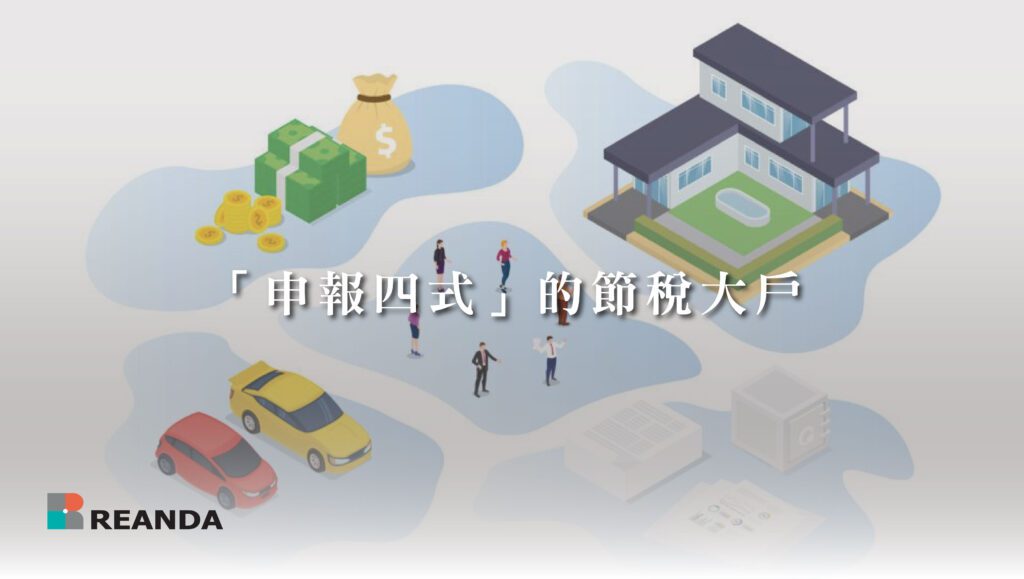
「申報四式」的節稅大戶 作者: 蔡哲明 你有聽過申報四式嗎?它指的是稅務規劃的所得申報,包含「直接申報」、「扣除申報」、「定額免稅」以及「半數課稅」,只要掌握各種扣除額的優惠,你也能夠晉升「節稅大戶」。 「直接申報」項目包括:薪資所得、營利所得、利息所得;「扣除申報」則是租賃所得、權利金額、其他所得(如職工福利金)、執行業務所得(如會計師等專業人士的個人所得、稿費、版稅等)、財產交易所得(如房屋出售、股權交易等)、相關競賽及中獎獎金(統一發票等);「定額免稅」涵蓋退職所得相關,像是資遣費、退休金等;「半數課稅」要以「變動所得」為主,例如耕地出租收回補償佃農。 利安達平和聯合會計師事務所吳明儀會計師指出人生各個階段都有不同節稅策略,只要掌握免稅額、扣除額、特別扣除額概念,對於單身貴族、雙薪家庭以及退休人士而言,便能輕鬆節省荷包。吳明儀會計師認為除了對「免稅額」有所認識,扣除額以及特別扣除額也不可輕忽,扣除額分為「一般扣除額」與「特殊扣除額」兩類,一般扣除額又分「標準扣除額」與「列舉扣除額」兩種,標準扣除額與列舉扣除額的分別在於「婚姻狀態」以及「事件類型」,從婚配與否到醫療生育等,納稅義務人可選擇有利方式提出申報。另外「特別扣除額」是政府給民眾利多,依照每年稅收狀況制定不同規範,例如上班族的薪資特別扣除額、協助家庭照顧殘障人士的特別扣除額、補貼子女上學的教育學費扣除額、住宅出售同樣可以申請抵銷財產交易所得。 壹.單身貴族 我們收入來源一般是以薪資所得為主,綜合所得稅之免稅額只要符合當年規定,111年加總免稅額對單身族標準扣除額與薪資扣除額在年薪42.3萬元以下者可免稅,若需報稅還可運用薪資扣除額、一般扣除額以及扶養父母或祖父母的免稅額。 貳.雙薪家庭 夫妻所得可就高低來做區分,如果雙方收入一樣是以薪資所得,111年加總個人所得免稅額、標準扣除額、薪資與幼兒扣除額後只要合計低於127萬元即可免稅,除了中國籍新娘可以列報扶養對岸親屬,其他外籍新娘不在此限。(扶養2名未滿5歲子女;扶養1名未滿5歲學前幼童可獲得12萬元的幼兒扣除額;頂客族夫妻一同申報綜所稅合計年收入為84.6萬元以下才能免稅) 參.退休人士 退休人士會因所得來源不同決定課稅方式,勞工退休金依照規定必須要申報所得稅,若退休金採分期之領取是以全年領取總額,扣除後才是所得額,屬於人身保險給付的勞保老年給付則全額免稅。 你想升級「節稅大戶」必須要懂「直接申報」、「扣除申報」、「定額免稅」、「半數課稅」申報四式,才能針對自己人生各階段來做所得規劃,另外掌握免稅額、扣除額、特別扣除額等對應自己的身份處境來做整體稅務安排,了解「所得分類」到「扣除種類」才是節稅之母。 2023/05/15